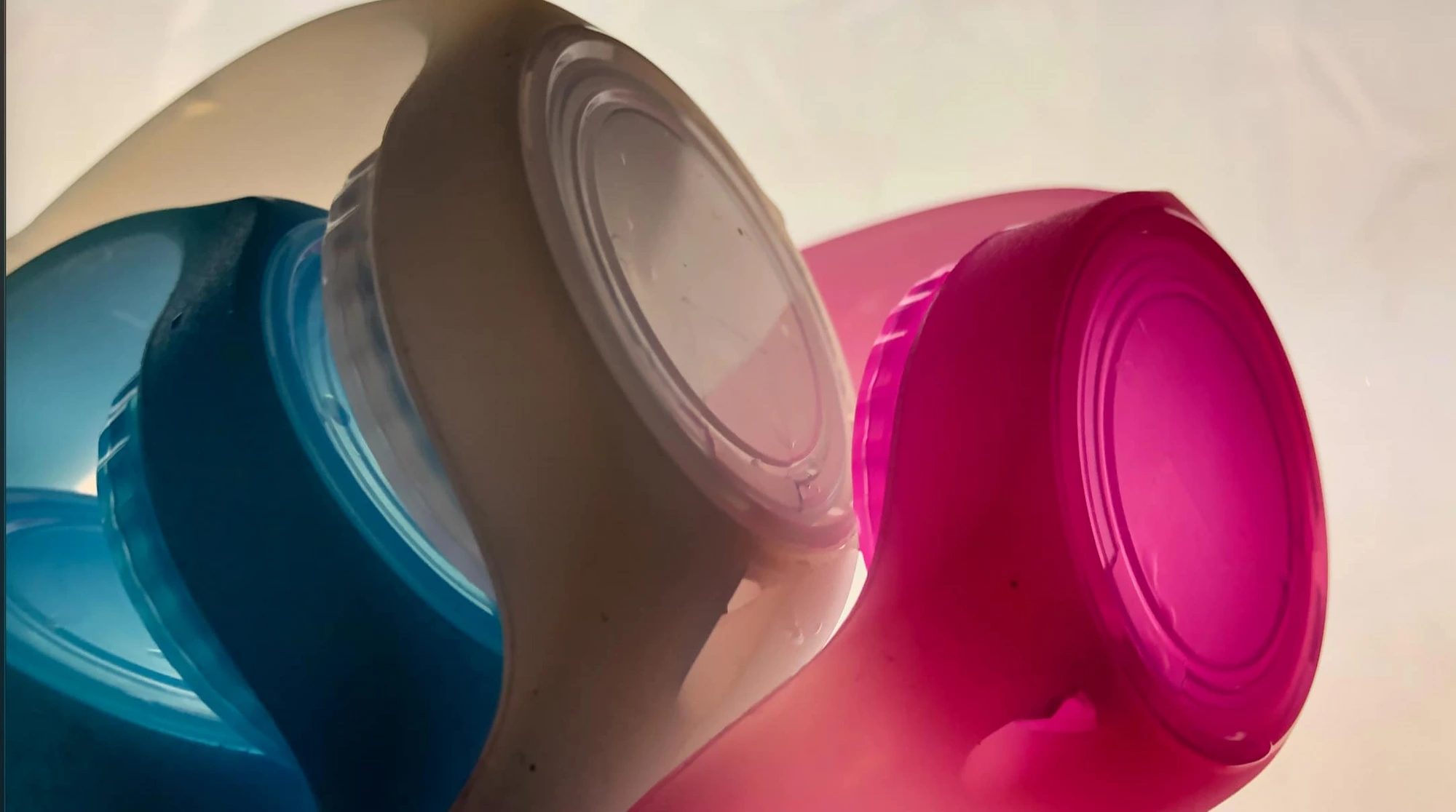
Our Story
Inventing a New Category in Personal Care & Active Defense.
No searching.
No stopping.
No forgetting.
Just there when you need it.
It started with a thought I couldn't shake.
What if I could just apply what I need, the instant I need it, no bottle, no searching, no pause?
During COVID I was sanitizing my hands a hundred times a day. One more reach for the bottle, and it hit me, the protection I need should already be on me. Not something to remember. Not something to dig for. Just there, the moment I move.
That thought became WearSpray.
A cinematic take on where it all began.
When WearSpray went on Shark Tank, they asked us to put together a film about the origins of the product. We thought it would be more interesting to skip the ordinary and come up with something dramatic and exciting instead.
Written, directed, filmed, edited, and performed by Greg Demirjian, inventor of WearSpray, who also created the visual effects, composed the original score, and performed every instrument in it.
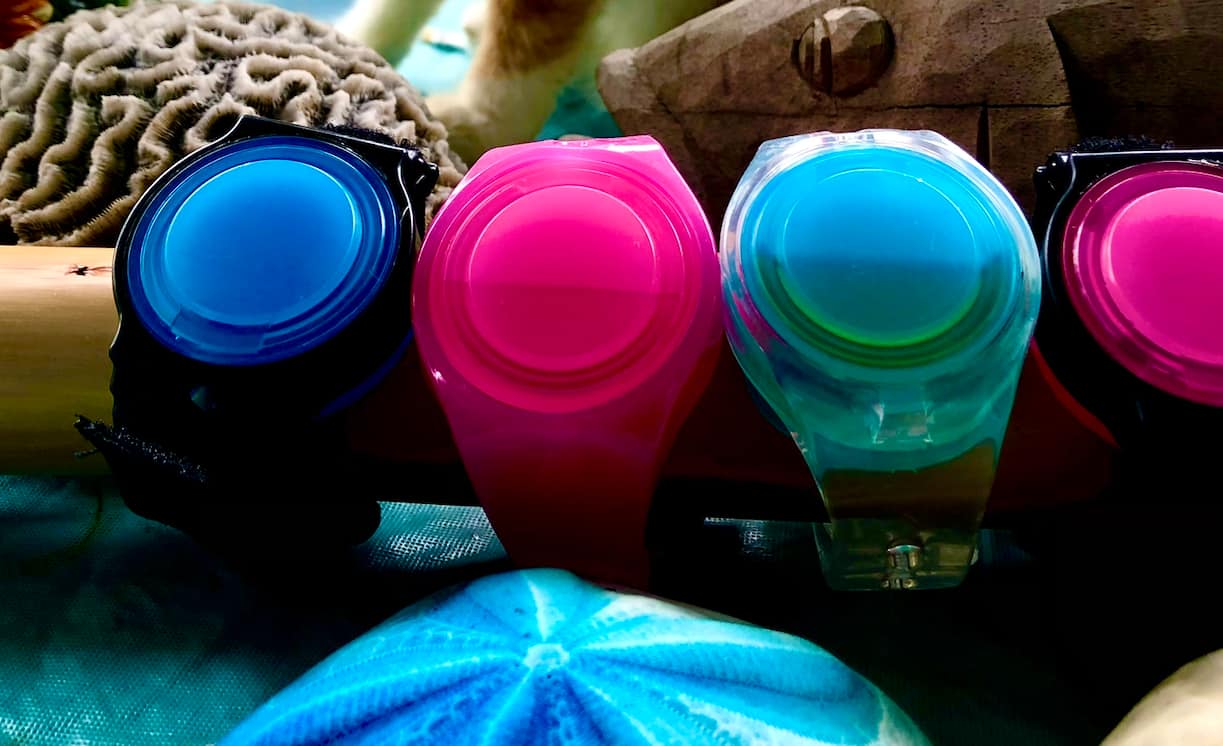
The products already existed.
The problem was access.
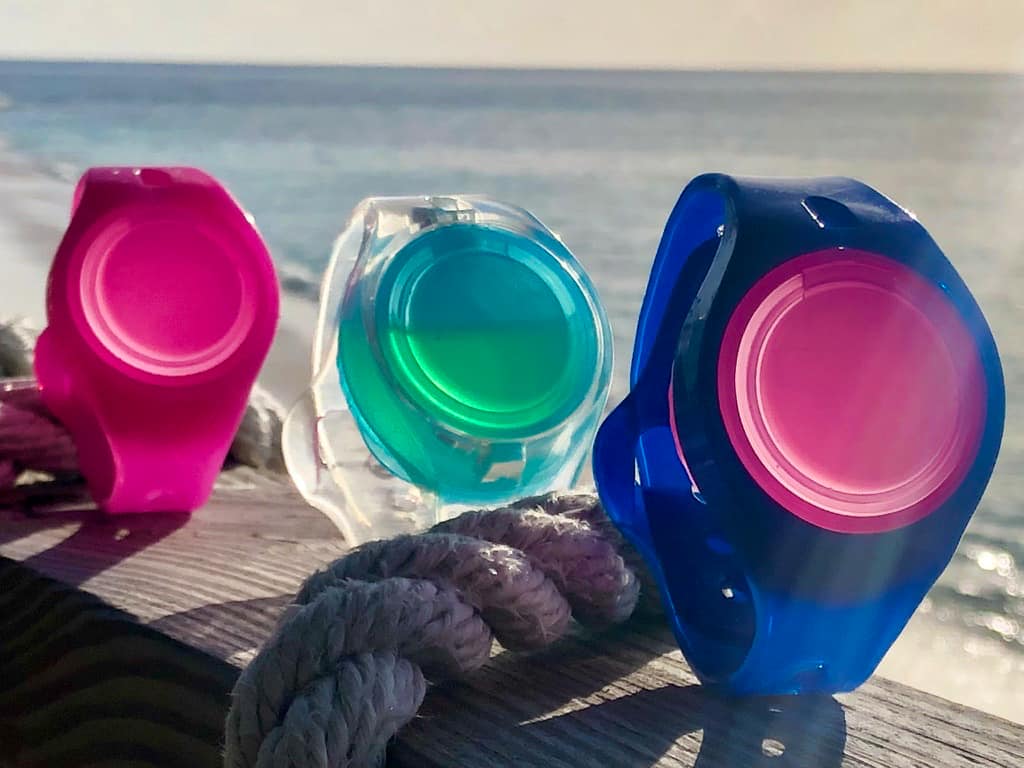
One platform · many colors, many uses
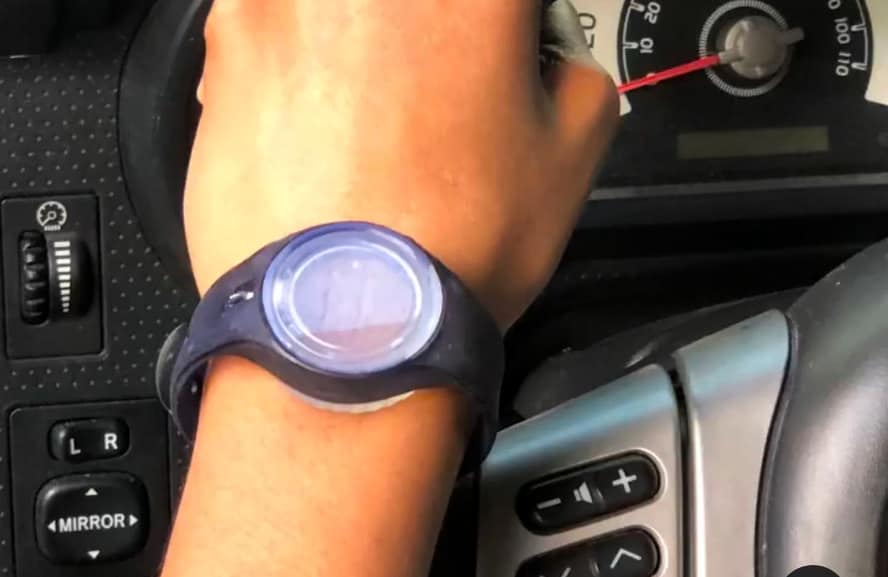
WearSpray was designed to remove that distance.
Already on the wrist · ready in the moment
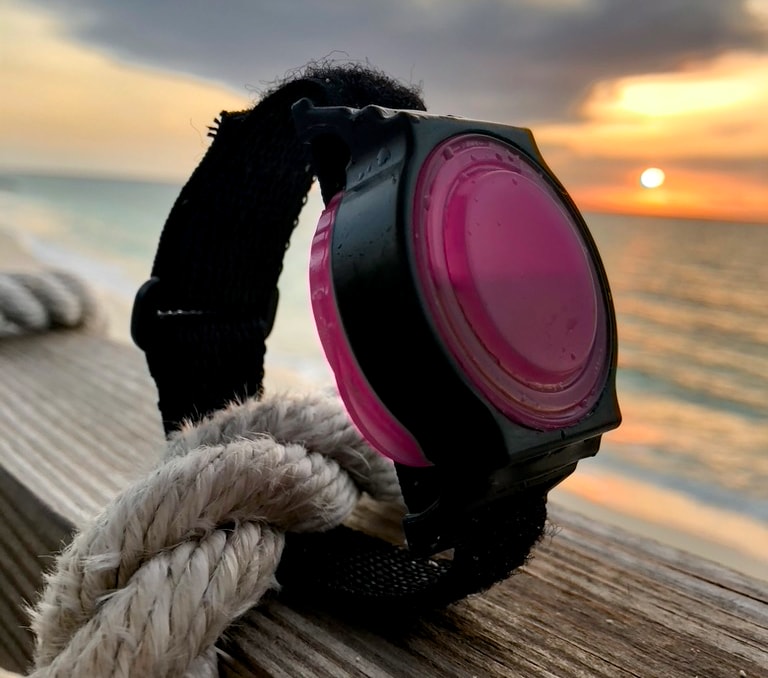
Confidence without interruption.
Protection in stride.
Personal care within reach.
Wherever the day takes you
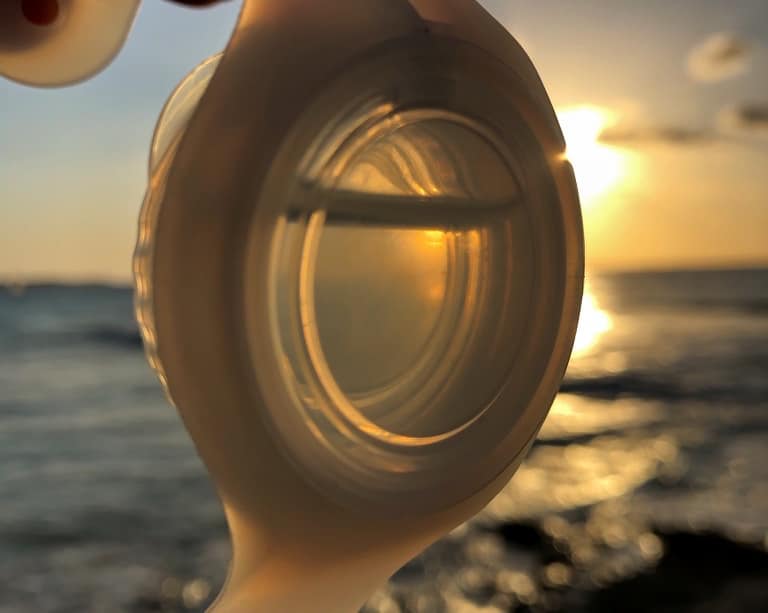
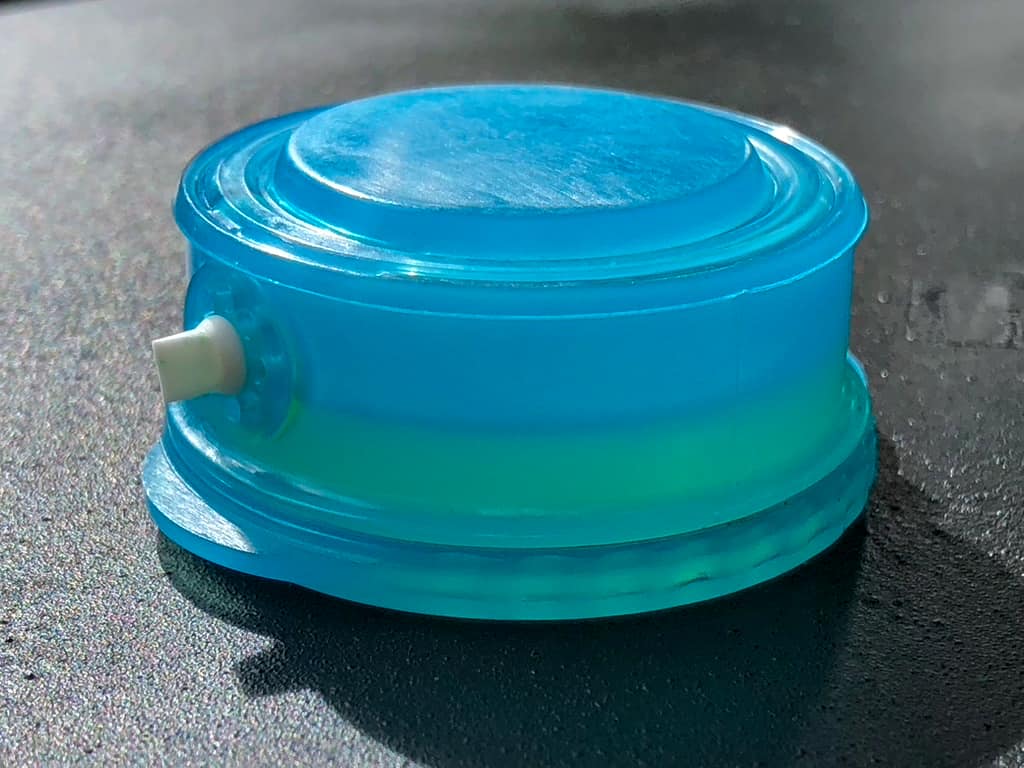
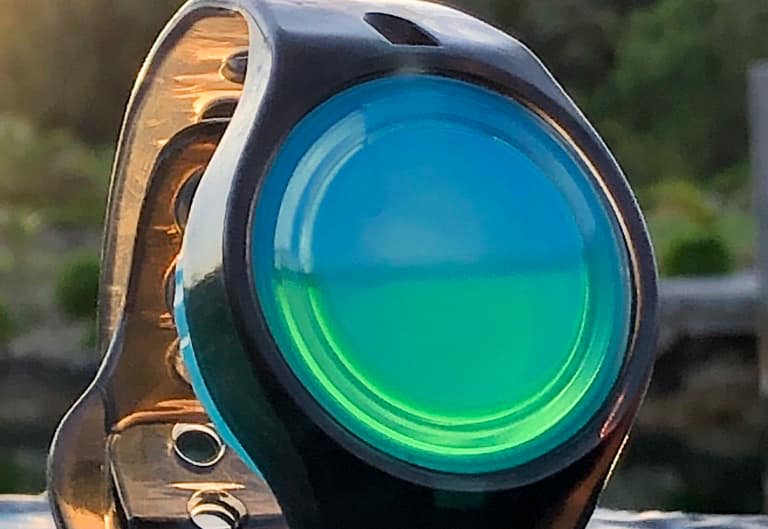
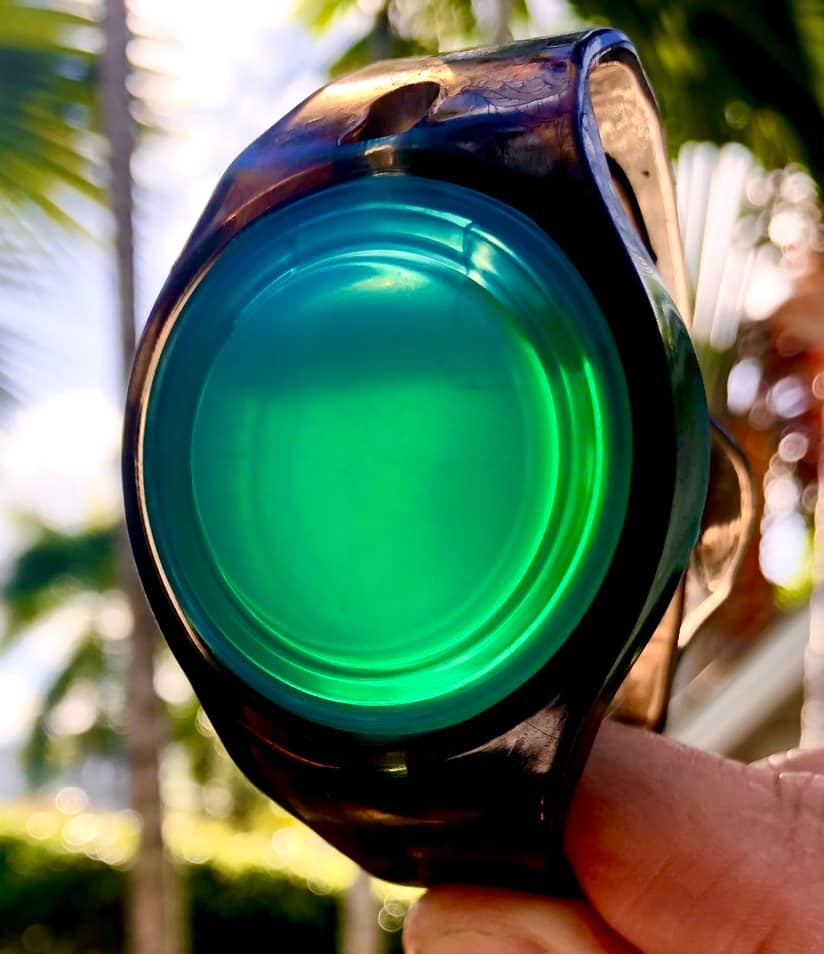
More than a container, a refillable reservoir.
Access can change behavior
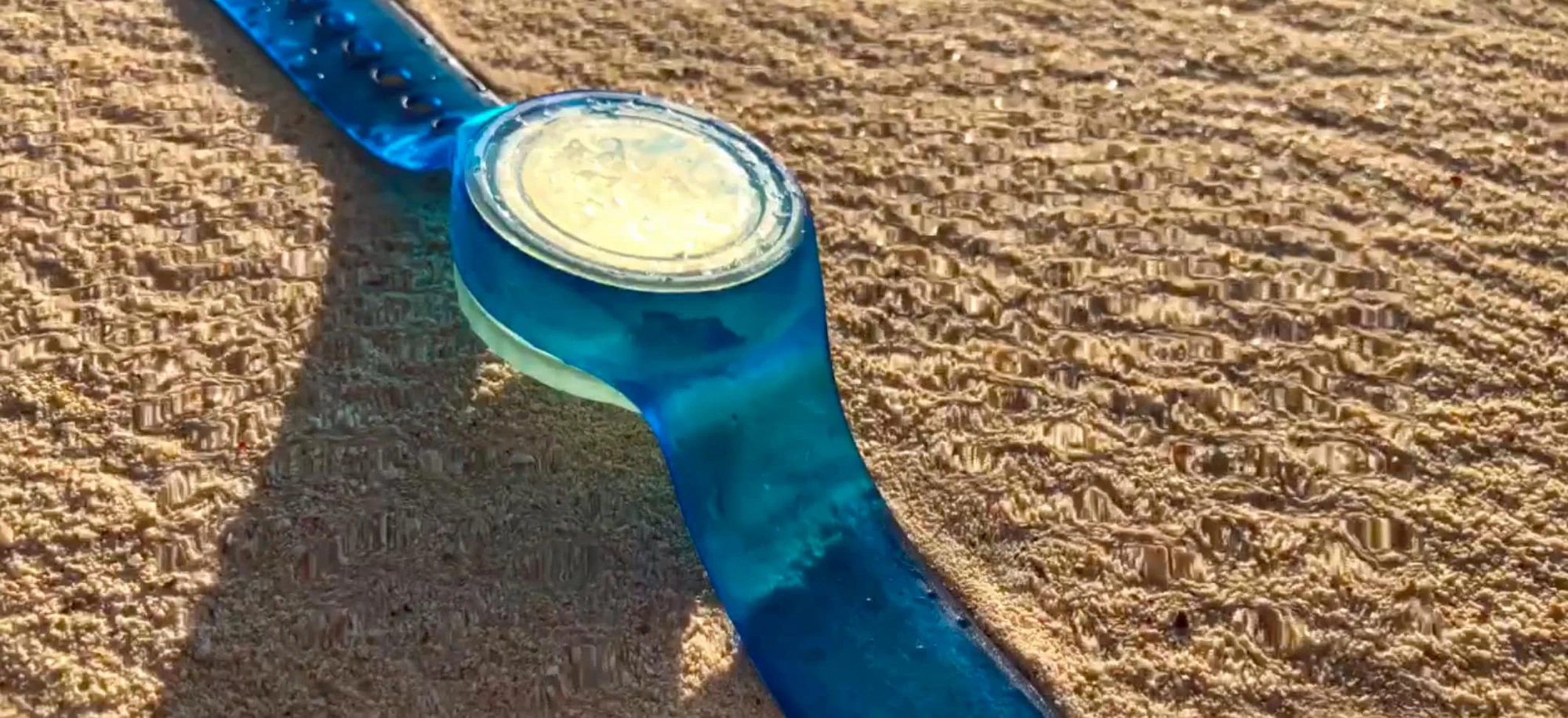
At home wherever you are.
Personal care that goes where you go
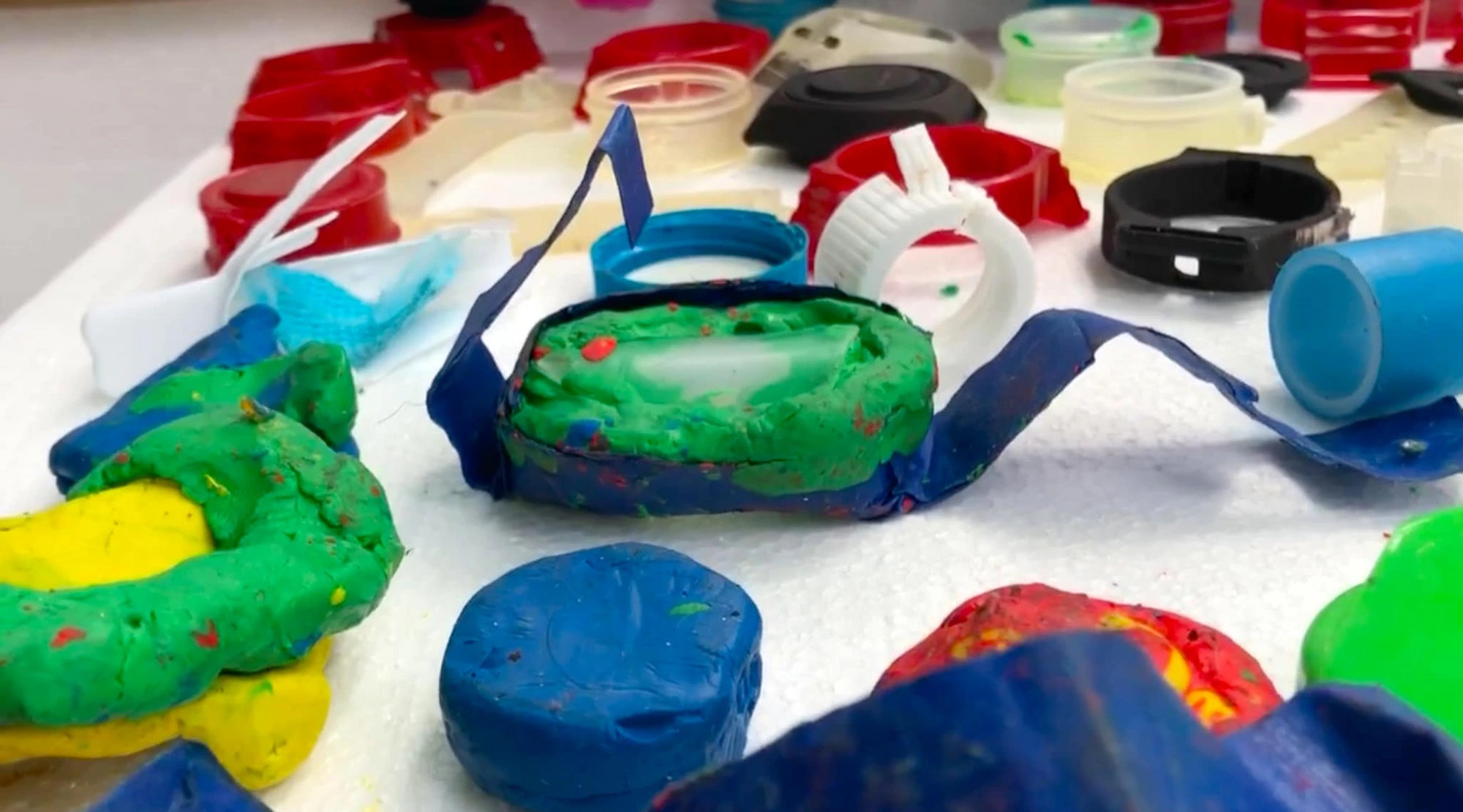
What began as a question became an engineering challenge.
Early prototyping · hand-molded forms and first prints
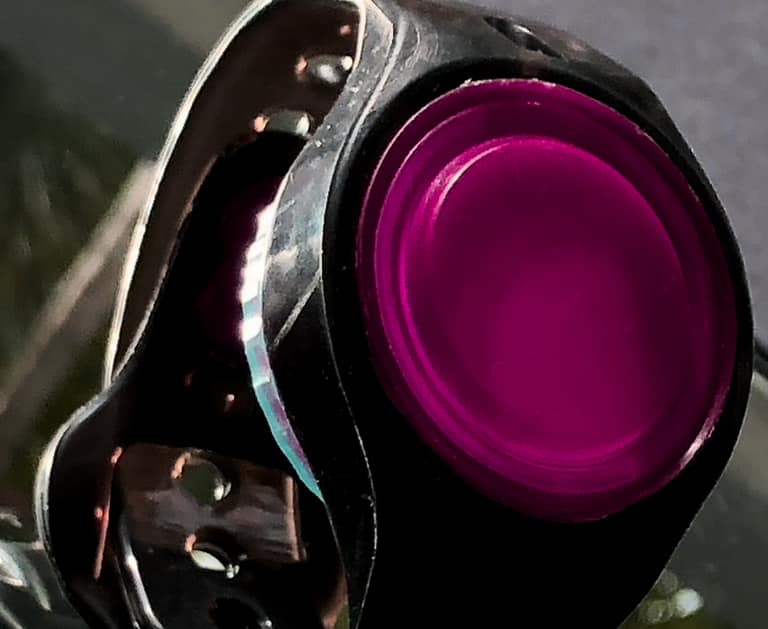
The patented dispensing valve.
Engineered detail · the heart of the platform
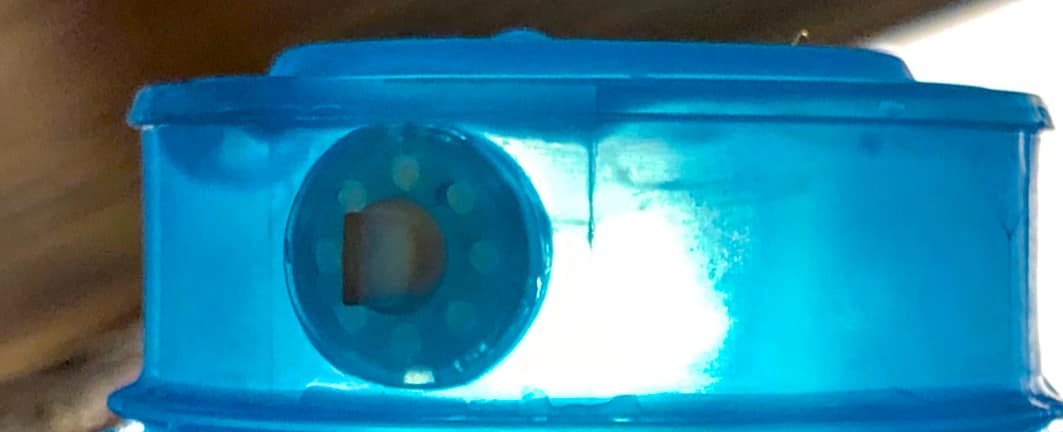
Wearables learned to measure us.
The next generation may help us act.
Engineered detail · built for what connects next
If sanitizer could be instantly accessible, why stop there?
WearSpray grew from the belief that the personal care products we want and depend on throughout the day should be available at the moment we actually need them.
We often know what we should do.
But intention does not always become action.
The bottle may be at home.
It may be in the car.
It may be buried in a bag.
We may simply forget.
Life should not have to stop because you need something.
You should not have to
- Leave the beach to find sunscreen.
- Interrupt a conversation to search for mosquito repellent.
- Put down your belongings to find sanitizer.
- Search through a bag for personal care.
WearSpray keeps the product with you so the moment can continue.
WearSpray was never intended to be simply another way to package a product.
It represents a different relationship between people and the personal care products they use.
Instead of carrying the product somewhere nearby, WearSpray brings the product directly into the wearable experience.
That changes access.
Access can change behavior.
And easier behavior can make reapplication, protection and personal care feel more natural throughout the day.
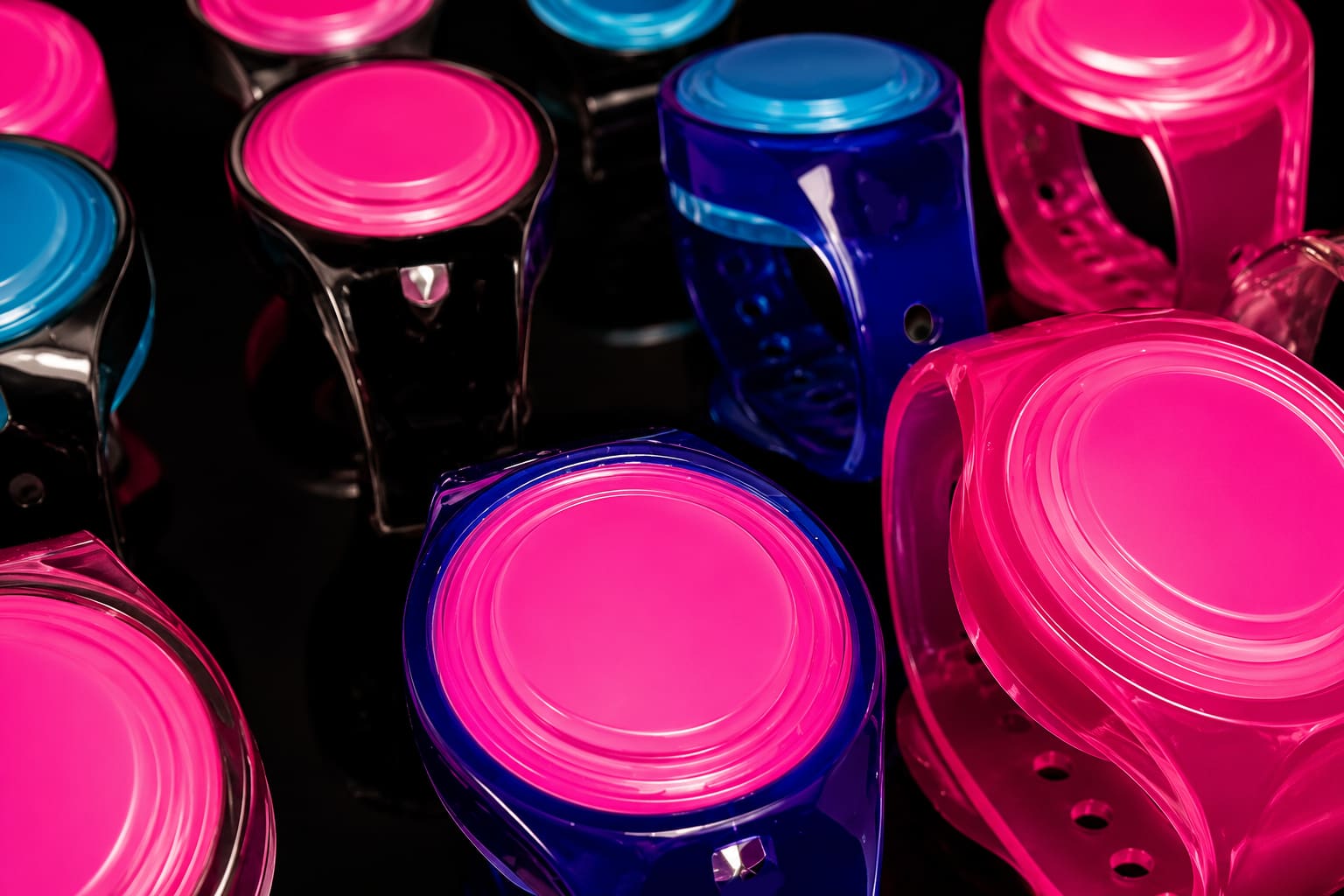
- How do you comfortably carry liquid, lotion or gel on the wrist?
- How do you control dispensing?
- How do you make the reservoir refillable?
- How do you make the experience simple enough that using it feels natural?
Those questions led to the development of WearSpray, a patented wearable dispensing platform that has been engineered, manufactured and commercially tested.
The simplicity of the experience is the result of solving a surprisingly complex problem.
Because the wrist is already one of the most accessible places on the human body.
It travels with us.
It is visible.
It is reachable.
It is already home to one of the most important wearable technology categories in the world.
WearSpray began with dispensing. Its larger vision is to explore what happens when personal care, protection and wearable intelligence begin to converge.
The wrist is not simply somewhere to carry a product. It can become a new point of access.
Wearable technology has become remarkably good at measuring us.
The next opportunity is helping people respond.
Imagine a wearable that recognizes environmental conditions, reminds you when action may be useful and gives you immediate access to the product itself.
- Sunscreen when UV exposure matters.
- Repellent when environmental conditions change.
- Skincare when your routine calls for it.
- Personal care connected to the intelligence already living on the wrist.
WearSpray began with a question about making something feel almost effortless. That idea still guides everything we are building.
Remove the search.
Remove the interruption.
Remove the distance between intention and action.
Make personal care accessible at the moment it matters.
Because caring for your skin is caring for yourself. Protect it, and you keep it healthy, and healthy skin is beautiful skin.
Health is the new beauty.
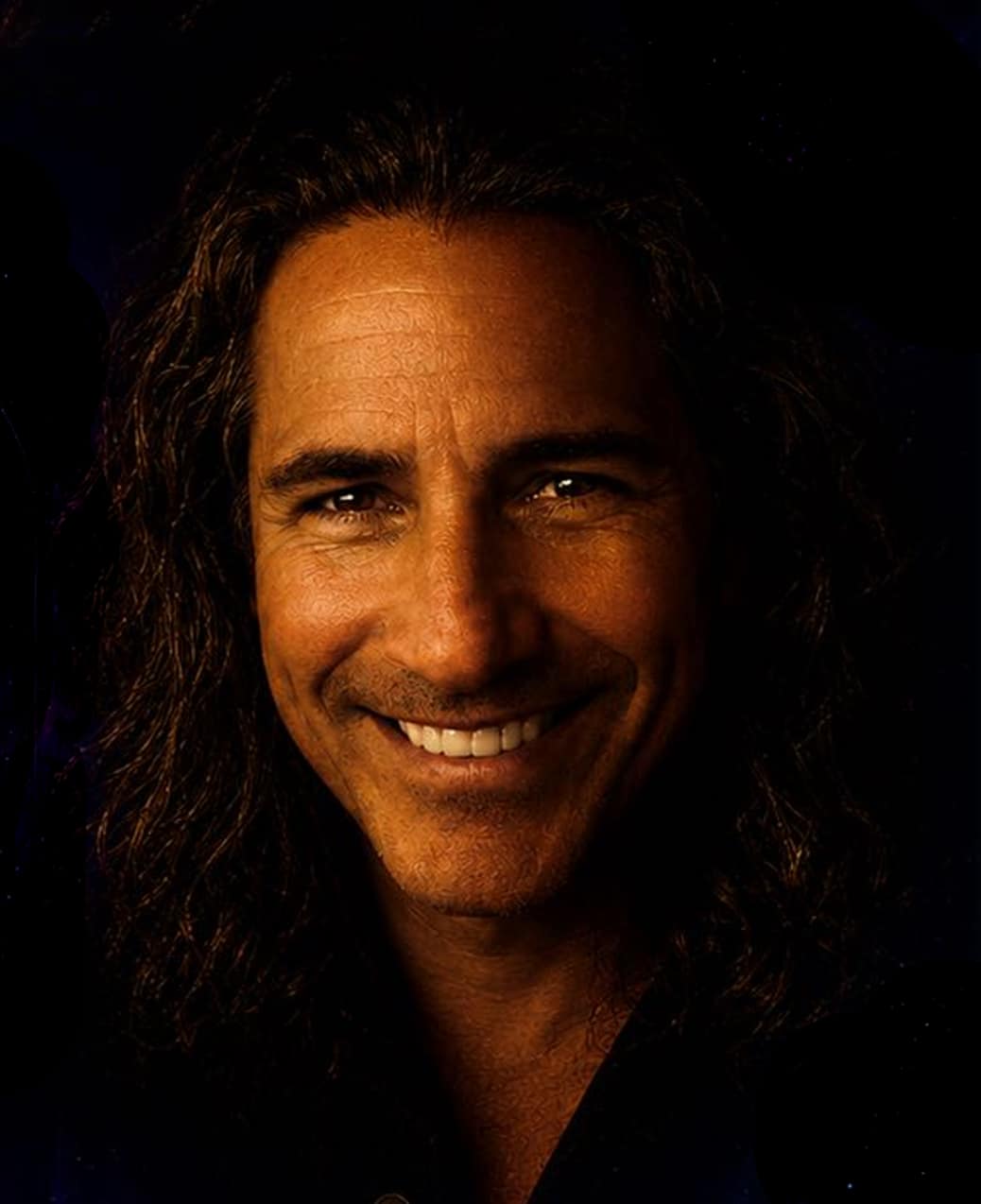
Greg Demirjian
Founder & Inventor
WearSpray is the brainchild of Greg Demirjian, an inventor and storyteller whose career spans building virtual worlds, holographic presentations, photography, screenwriting and music.
That blend of art and technology is exactly what a product like this needs: the engineering rigor to earn a patent, plus the vision to imagine where wearables, app development and human protection meet. WearSpray is the result of asking a simple question, what if the everyday act of protecting yourself could be instant, beautiful, and always within reach?
Greg Demirjian
Founder, CEO, and Inventor
WearSpray, Inc.
Considering an investment? View our pitch deckIt Started With a Thought I Could Not Shake
What if I could just apply what I need, the instant I need it?
No bottle. No searching. No stopping what I am doing. Just there.
During COVID, I was sanitizing my hands constantly. I would put everything down, reach for the bottle, sanitize, pick everything back up, and continue with my day.
Then one evening I came out of a store and realized my sanitizer was locked inside my car. I remember standing there thinking about the absurdity of it.
To get to the sanitizer, I first had to touch the car door. Open the car. Reach inside. Touch whatever else was in the way. Find the bottle. And only then could I sanitize my hands.
The very thing that was supposed to protect me required me to touch more things before I could use it.
I remember thinking: there has to be a better way. What if the protection I needed was already on me? Not something I had to remember. Not something buried in a bag. Not something sitting in my car. Something I could wear.
At the time, it seemed like a relatively simple idea. It was not.